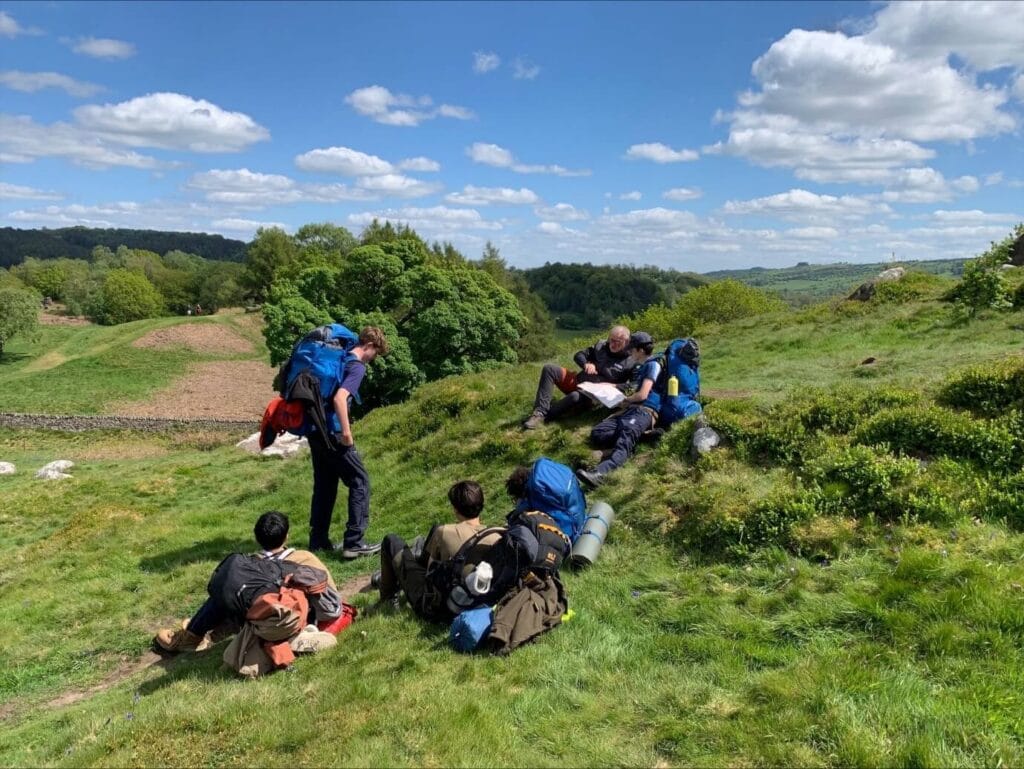
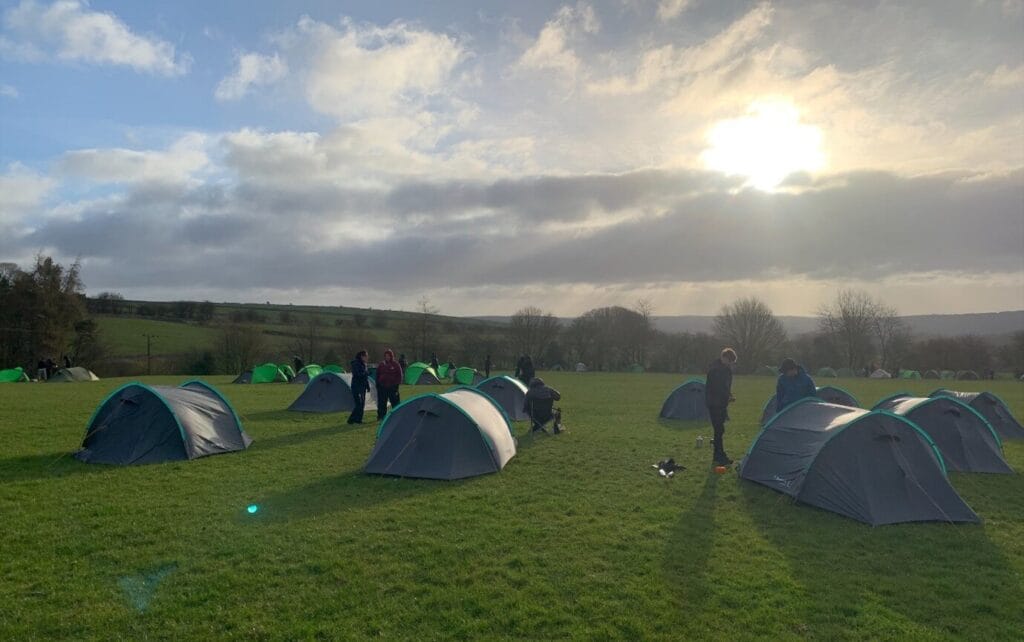
Last weekend, Wellingborough School’s Year 10 Silver DofE cohort completed the first of their two expeditions in the glorious Peak District.
The first is a training and practice expedition, where they have more input from their instructors, and the training and guidance given in classroom sessions can be built upon. Training activities and online videos have been used, as well as an intensive training day in school, but the real learning can only happen when they start applying this for real. The aim of the practice expedition is to build their skills and their confidence so that they can be as independent as possible when they complete the final qualifying expedition in June.
The Peak District is chosen, as it provides a real sense of adventure for the pupils as well as a physical challenge but is also within their abilities. They walk for three days, carrying tents, cooking stoves, food and everything else they need to be ‘self-sufficient’ until the end of the expedition. They have to complete a minimum of seven hours of activity each day, which is mostly walking, but might also include other activities that they plan into the journey. They start off walking with staff and receiving lots of support before gradually being allowed to take more independence. When they are ready, supervision switches to ‘remote supervision’, where staff meet or check in with them at regular intervals but otherwise allow them to journey independent of adult support. For their qualifying expedition, they have to show that they can manage this independence from the start.
Central to the aims of DofE is creating opportunities for young people to push themselves out of their comfort zone, take on a challenge, discover their resilience and achieve more than they thought they could. The expedition section is central to this.
“A perfect performance is not the goal; making mistakes is part of the process. The aim is that they have a chance to work independently and as a team, to make their own decisions, solve their own problems, support each other when they struggle and achieve a collective goal. Whenever O.W.s who completed the DofE are spoken to, it is the mistakes and struggles that they remember most of all, because this is the point where the real learning takes place.” – Peter Low, Trip Leader
Walking up and down the hills of Derbyshire is only a small part of what the expeditions offer. The most important learning takes place when the walking is over and they set up their camp. On day one they are helped with their tents and taught how to make them sturdy and weatherproof. On day two they try this solo and, inevitably, forget or ignore some of the advice. They learn the consequences when their tent sags and leaks, but they survive, and the next time, they take a bit more care. By the last night of the qualifying expedition, the tents look perfect.
They also have to plan and cook their own food, which for some is a first. Again, they start by receiving support and instruction before being allowed more independence. Many vital lessons are learnt, like “Fill the pan with water before lighting the stove.” “Find the matches before turning on the gas” and one of the favourites, “Sir, I’ve just realised I was supposed to drain the water off the pasta before adding the sauce!” They make mistakes because they are doing so much that is new and challenging, but they also learn quickly. On day two, cooking was a calm and slick operation, and by the June expedition, they had arrived in camp, having already allocated the roles of setting tents, organising kit, or boiling water. From soggy, half-cooked Super Noodles, they move on to three-course dinners.
It is these opportunities to be independent, to face challenges, to make mistakes, to learn from consequences and to push through it all and come out smiling that are the real value of the DofE expedition.